By Edward Palko
August 13, 2026
Commercial hauling relies on smooth operations, steady schedules, and dependable machinery. When a heavy vehicle operates continuously under demanding highway conditions, constant wear and tear become unavoidable. Navigating long routes with heavy cargo puts immense pressure on critical engine components, braking systems, transmission structures, and tires. Waiting until an actual breakdown occurs before seeking assistance often leads to catastrophic mechanical failures, extended delays, and exorbitant financial losses. Establishing a routine schedule with a professional truck repair service provides a proactive safeguard against severe operational disruptions. Addressing small warning signs before they transform into complete system failures ensures that vehicles remain operational, drivers stay safe, and transport deadlines are consistently met.
Identifying Minor Mechanical Issues Early
Every major vehicular failure begins as a minor anomaly. Subtle friction inside a wheel bearing, minor fluid leaks near internal gaskets, or faint noises during gear transitions often serve as preliminary indicators of impending trouble. When fleet managers prioritize regular checkups, qualified technicians can detect these early warning signs long before severe damage occurs. Professional diagnostic equipment allows technicians to evaluate sensor data, system pressure, and mechanical tolerances with extreme precision. According to the American Trucking Associations website, the organization proposed six recommended actions to federal lawmakers to promote technological innovation, which can lead to advanced diagnostic tools for modern truck repair. Implementing these modern diagnostic capabilities during routine maintenance empowers mechanics to pinpoint microscopic structural stress or minor electrical glitches early. Remediation at this initial stage usually requires simple component adjustments or inexpensive part replacements rather than full system overhauls. Ignoring small symptoms, on the other hand, allows minor friction to generate intense heat, causing adjacent components to warp, crack, or fail entirely. Scheduled inspections ensure that every fluid reservoir, belt, hose, and connection receives thorough evaluation, maintaining structural integrity throughout long journeys.
Reducing Unplanned Commercial Downtime
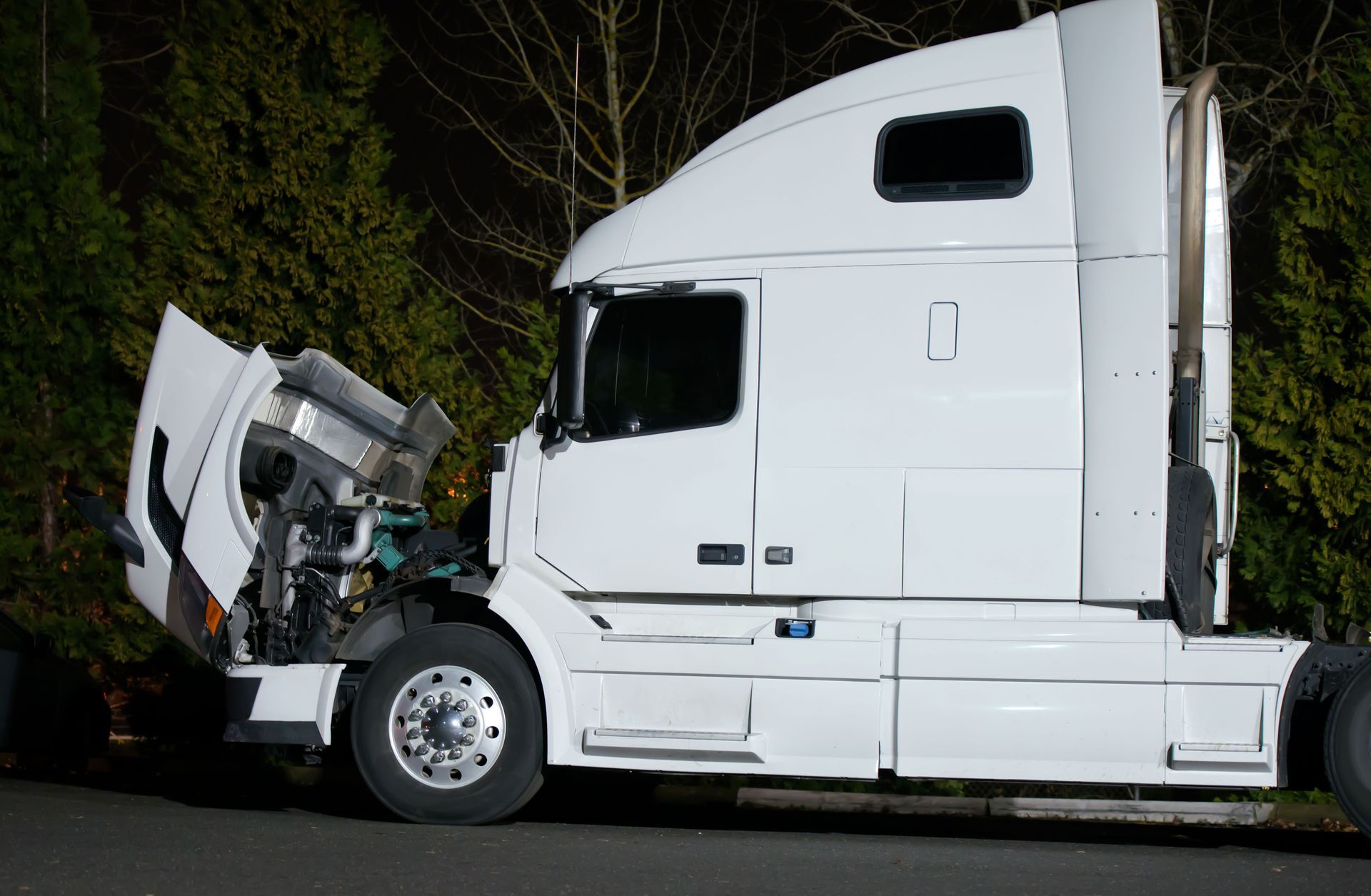
Unplanned roadside breakdowns represent a major threat to logistical efficiency. When a commercial haul vehicle breaks down unexpectedly along a major transit corridor, the resulting disruption extends far beyond immediate towing fees. Shipments miss critical delivery windows, supply chain logistics collapse, and secondary transport vehicles must often be dispatched to retrieve stranded cargo. Securing dependable truck repair service helps mitigate these expensive operational halts. Scheduled maintenance allows business owners to plan service visits during off-peak hours or planned rest cycles, minimizing disruption to shipping schedules. Routine care ensures that critical wear items, such as brake pads, air lines, and fuel filters, are refreshed before reaching complete failure thresholds. Preventative adjustments drastically lower the probability of roadside emergencies, allowing drivers to maintain steady routes without fear of sudden mechanical failure. Maintaining continuous uptime keeps transport networks running smoothly, protects contractual obligations, and eliminates expensive emergency assistance calls.
Extending Overall Vehicle Operating Lifespan
Commercial haulers represent substantial capital investments that must yield maximum value over extended operating horizons. The long-term durability of a heavy transport vehicle directly correlates with the consistency of its mechanical maintenance. Internal combustion engines, transmission assemblies, and differential units contain hundreds of moving parts operating under intense pressure and extreme thermal conditions. Without clean lubrication, fluid renewal, and continuous alignment, friction rapidly degrades critical internal surfaces. Engaging an experienced truck repair service on a structured schedule protects these major assemblies from premature erosion. Routine oil changes flush out microscopic metal shavings and debris that act as abrasives within the engine block. Timely transmission flushes prevent thermal degradation of vital hydraulic fluids, preserving smooth gear engagement. By protecting core mechanical systems against excessive stress and overheating, fleet operators significantly extend the operational lifetime of their equipment. Preserving vehicle longevity maximizes return on initial capital investment and postpones the substantial expense of purchasing replacement machinery.
Enhancing Highway Safety Standards
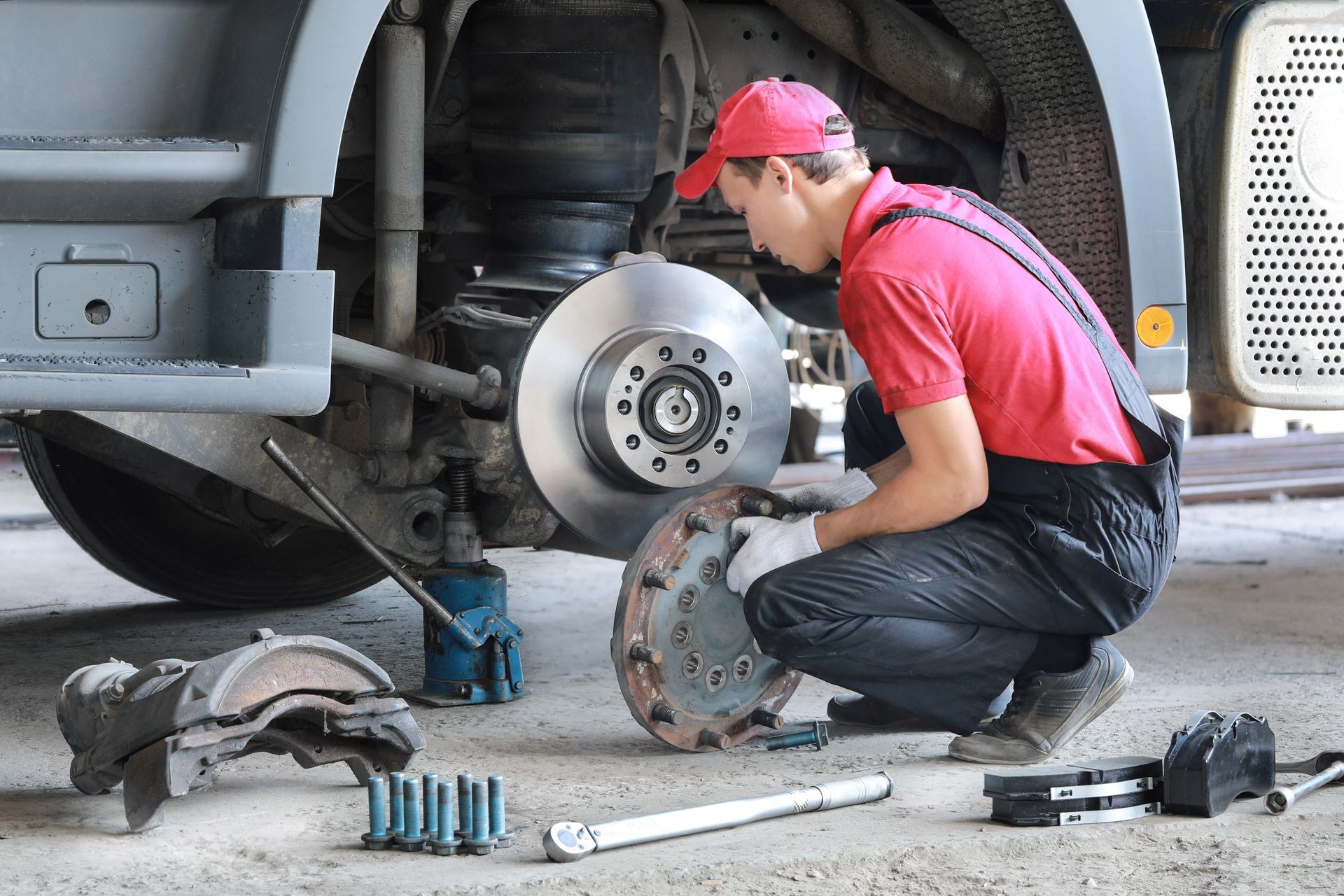
Safety remains the highest priority across the commercial transportation sector. A massive vehicle experiencing mechanical failure at highway speeds presents severe hazards to the driver and surrounding traffic. Steering system failures, sudden tire blowouts, or degraded braking efficiency can cause loss of control in an instant. Timely mechanical intervention serves as a crucial line of defense against catastrophic highway incidents. During routine evaluations, certified technicians inspect air brake lines for subtle leaks, measure brake drum thickness, test steering gear clearance, and verify proper suspension alignment. Ensuring that every safety system functions within optimal manufacturer parameters protects drivers from sudden system failures under heavy loads or severe weather conditions. Routine alignment checks also ensure steady vehicle handling, preventing driver fatigue caused by continuous steering adjustments. By upholding strict maintenance protocols, transport companies create safer working conditions for drivers while fulfilling legal and moral obligations to public road safety.
Optimizing Daily Fleet Operating Efficiency
Operational expenses in commercial transportation are heavily influenced by fuel consumption and efficiency. A vehicle suffering from subtle mechanical friction, clogged air intakes, or misaligned wheels consumes significantly more fuel to cover the same distance. Partnering with a reliable truck repair service ensures that every vehicle operates at peak fuel efficiency. Simple maintenance tasks, such as replacing dirty fuel injectors, adjusting valve clearance, and maintaining proper tire pressure, drastically reduce parasitic energy losses. Correct wheel alignment eliminates unnecessary rolling resistance, allowing the engine to transfer power to the road with minimal friction loss. Clean air filters promote optimal air-to-fuel ratios within combustion chambers, maximizing power output while minimizing fuel waste. Over thousands of miles, small improvements in fuel economy yield massive financial savings across an entire fleet. Proper maintenance also minimizes harmful exhaust emissions, helping commercial transport operations comply with environmental standards without sacrificing engine performance.
Protecting Long-Term Enterprise Reputation
In the competitive logistics landscape, reliability forms the foundation of brand reputation. Clients depend on transport providers to deliver valuable goods on tight, precise schedules. Repeated delivery delays caused by preventable vehicle breakdowns erode customer and lead to lost business contracts. Relying on professional truck repair service ensures that commercial vehicles maintain the high reliability standards required by demanding corporate clients. Consistent vehicle performance fosters strong business relationships, encouraging client retention and positive industry referrals. Furthermore, a well-maintained commercial fleet presents a clean, professional public image on the highways. Clean, smooth-running vehicles reflect a company's commitment to quality, discipline, and operational excellence. Investing in consistent preventative care protects not only the mechanical hardware but also the commercial standing and future profitability of the entire enterprise.
Preserving Fleet Integrity Through Regular Attention
Preventative care remains the most cost-effective strategy for managing commercial transport equipment. Waiting for catastrophic mechanical failures to force action results in expensive repairs, lost productivity, structural damage, and severe safety hazards. By establishing a comprehensive maintenance schedule, commercial operators can identify minor mechanical issues early, extend equipment operational lifespan, optimize fuel efficiency, and ensure maximum highway safety. Modern diagnostic advancements allow mechanics to detect subtle wear patterns long before structural failures occur, making consistent mechanical oversight more efficient than ever. Prioritizing routine service transforms maintenance from a reactive expense into a strategic investment that preserves capital, protects company reputation, and keeps essential supply chains moving forward smoothly.
At Palko Truck & Trailer Shop, we take pride in delivering comprehensive, high-quality maintenance solutions tailored to keep your fleet running smoothly and safely on the road. We prioritize transparent communication, rapid turnaround times, and uncompromised craftsmanship on every job. Partnering with our shop means securing dependable support from professionals who share your unwavering commitment to operational excellence. Contact us today to learn more.